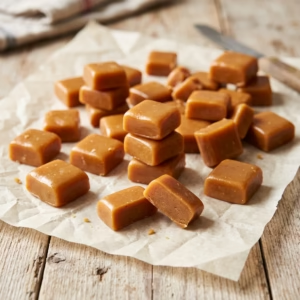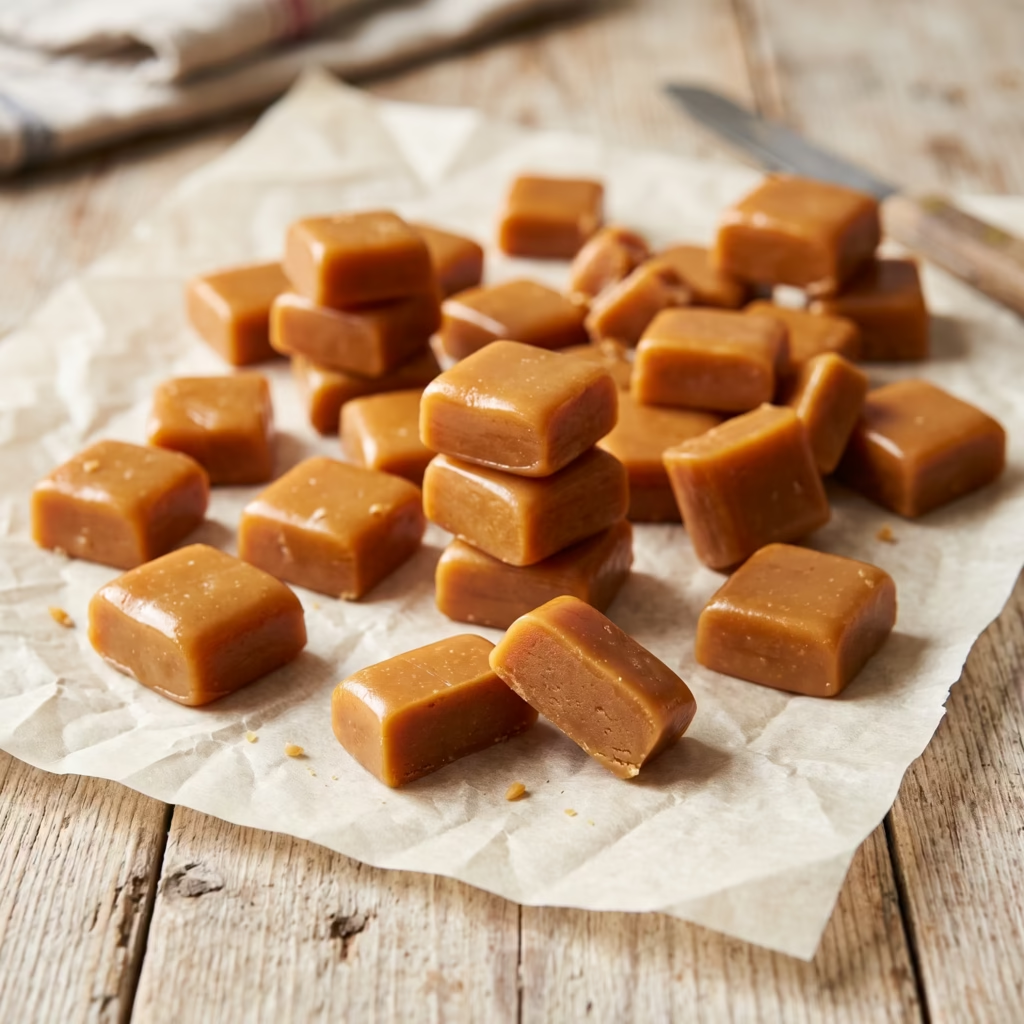
There is something irresistible about homemade chewy caramel toffee. Each little square combines the deep sweetness of caramelized sugar, the rich flavor of butter, and a wonderfully soft texture that makes every bite feel like a special treat. If you love buttery candies that are chewy rather than hard and brittle, this easy recipe deserves a place in your homemade sweets collection.
Making chewy caramel toffee at home is easier than you might think. With a handful of everyday ingredients, a heavy-bottomed saucepan, and a candy thermometer, you can prepare delicious caramel candies that are perfect for sharing, gifting, or enjoying with a cup of coffee.
The secret to getting the texture right is controlling the cooking temperature. A few degrees can make the difference between soft, chewy candy and a firmer caramel that is difficult to bite. Fortunately, this recipe explains each step so you can achieve consistent results.
Whether you are preparing homemade candy for the holidays, filling a dessert platter, or simply satisfying a sweet craving, this buttery caramel toffee is a delicious choice.
Why You Will Love This Chewy Caramel Toffee Recipe
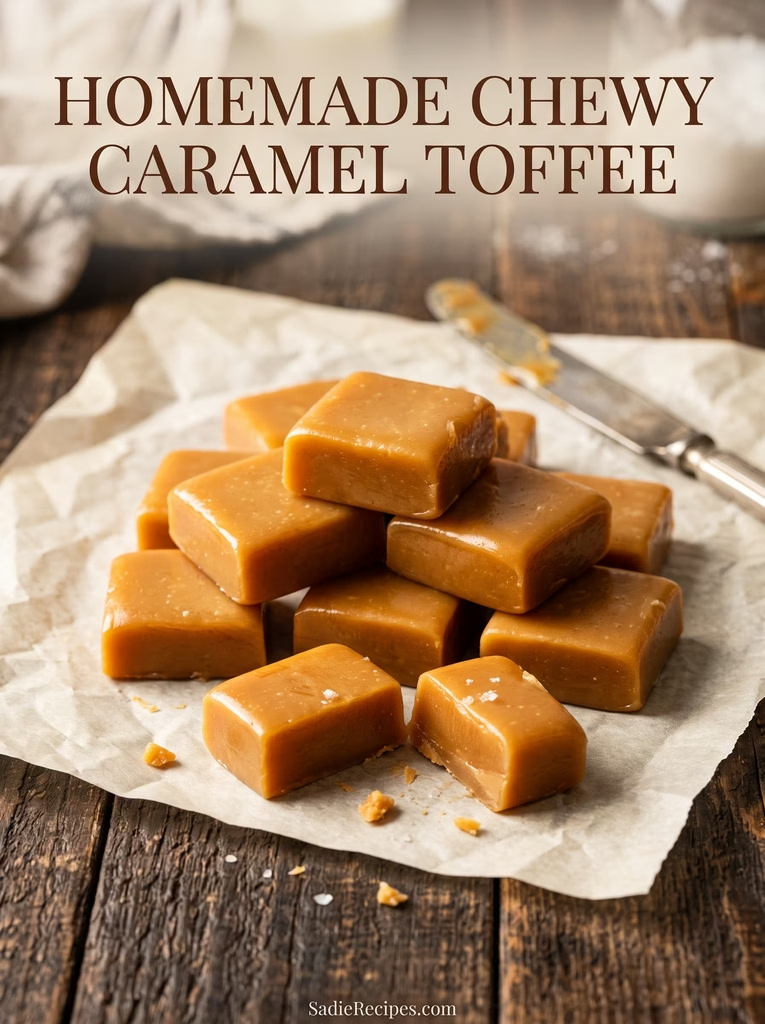
Chewy caramel toffee offers everything you want in a homemade candy: a rich buttery flavor, a satisfying texture, and a sweetness that pairs beautifully with chocolate, nuts, and other dessert ingredients.
One of the best things about this recipe is its simplicity. You do not need complicated equipment or professional candy-making experience. Most of the work happens in one saucepan, and the ingredients are easy to find at a grocery store.
The combination of granulated sugar and brown sugar creates a balanced caramel flavor. Granulated sugar provides sweetness and structure, while brown sugar adds a deeper taste with warm molasses notes. Butter brings richness, and milk helps create the smooth, creamy consistency that makes these candies so enjoyable.
Glucose syrup or corn syrup also plays an important role. It helps reduce sugar crystallization, giving the finished candy a smoother texture.
Another advantage is that you can customize the final consistency. Cook the mixture toward the lower end of the recommended temperature range for softer candy, or closer to the upper end for a firmer, more structured chew.
These Chewy Caramel Toffee are ideal for:
- Holiday dessert trays and homemade food gifts.
- Birthday parties and family celebrations.
- Sweet treats for afternoon coffee or tea.
- Dessert tables with brownies, cookies, and chocolate candies.
- Homemade candy boxes for friends and loved ones.
Once you understand how the cooking temperature affects the texture, you can adjust the recipe to suit your preferences.
Ingredients for Chewy Caramel Toffee
The ingredients for chewy caramel toffee are simple, but each one contributes something important to the final result. Measuring everything accurately before you begin will make the cooking process easier and help prevent mistakes.
Granulated Sugar
You will need 1 cup (200 grams) of granulated sugar. This provides the primary sweetness and helps the caramel develop its structure as it cooks.
Measure the sugar carefully. Too much can produce a harder candy, while too little may affect how firmly the finished toffee sets.
Brown Sugar
Use 1 cup (200 grams) of brown sugar for a richer caramel flavor. Brown sugar contains molasses, which adds depth and a subtle toffee-like taste.
Light brown sugar produces a balanced sweetness, while dark brown sugar gives the candy a stronger molasses flavor.
Butter
Add 1/2 cup (113 grams) of butter. Butter gives the candy its creamy mouthfeel and characteristic buttery aroma.
Good-quality butter can make a noticeable difference in flavor. Unsalted butter is a convenient choice because it allows you to control the amount of salt in the recipe.
Milk or Evaporated Milk
You will need 1 cup (240 milliliters) of milk or evaporated milk.
Regular milk produces a pleasant caramel flavor, while evaporated milk contributes a richer, creamier result. Both options work, although the final consistency can vary slightly depending on the ingredients used.
Glucose Syrup or Corn Syrup
Use 1/4 cup (80 grams) of glucose syrup or corn syrup. This ingredient helps limit sugar crystallization and encourages a smoother finished texture.
Do not omit it if you want the most reliable results. Without glucose or corn syrup, the candy may become grainy if the sugar crystallizes during cooking.
Salt
Add 1/4 teaspoon (approximately 1.5 grams) of salt.
Salt balances the sweetness and enhances the buttery flavor. If you prefer salted caramel, you can sprinkle a small amount of flaky sea salt over the mixture immediately after pouring it into the prepared pan.
Vanilla Extract
Finish with 1 teaspoon (5 milliliters) of vanilla extract.
Vanilla adds warmth and rounds out the caramel flavor. Stir it in after removing the saucepan from the heat to preserve its aroma.
How to Make Chewy Caramel Toffee Step by Step
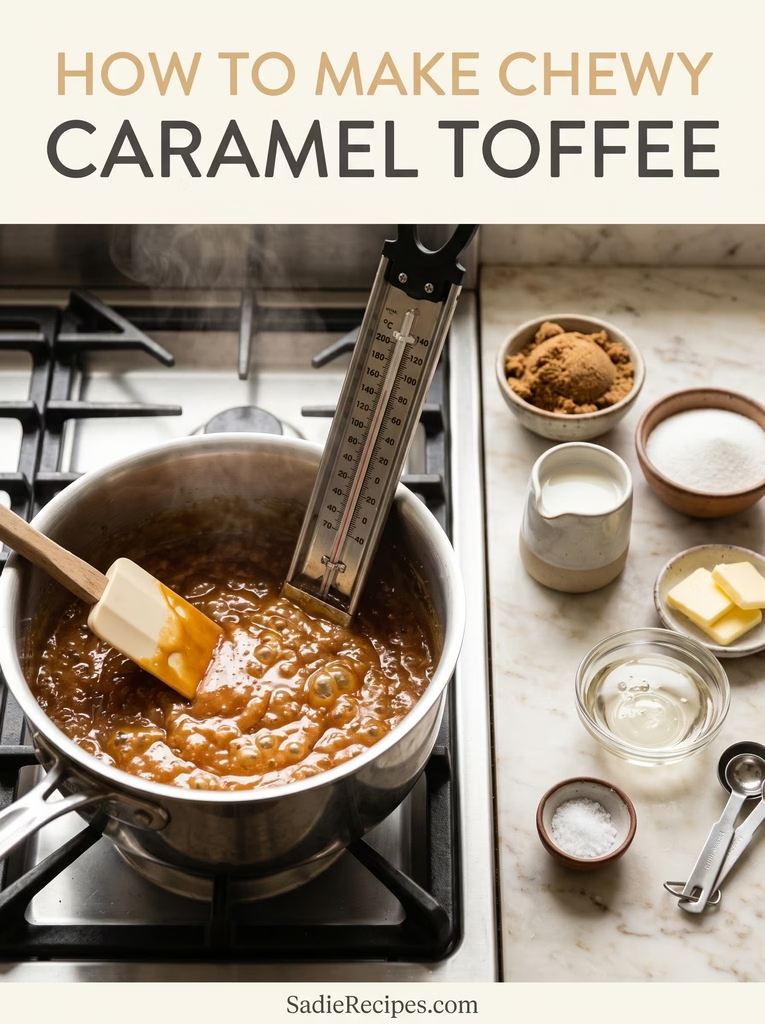
Making chewy caramel toffee requires patience more than complicated techniques. Prepare your equipment before heating the ingredients, keep an eye on the temperature, and avoid rushing the cooking process.
Step 1: Prepare the Baking Pan
Line a square baking pan with parchment paper, leaving a little overhang on two opposite sides. This makes it easier to lift the cooled candy out of the pan.
Lightly grease the parchment paper with butter to help prevent sticking.
A smaller pan produces thicker pieces, while a larger pan creates thinner candies. An 8-inch square pan is a useful starting point, although the final thickness will depend on how much the mixture spreads.
Set the prepared pan aside before beginning the caramel.
Step 2: Combine the Sugars, Milk, and Syrup
Place the granulated sugar, brown sugar, milk, and glucose syrup in a heavy-bottomed saucepan.
Heat the mixture over medium-low heat, stirring gently until the sugars have dissolved.
Scrape the sides of the pan carefully with a heat-resistant spatula if necessary. Sugar crystals left on the sides can fall back into the mixture and encourage crystallization.
Once the sugar has dissolved, avoid vigorous stirring. Gentle, controlled mixing is preferable for maintaining a smooth caramel.
Step 3: Add the Butter and Salt
Add the butter and salt to the saucepan.
Continue cooking over medium-low to medium heat, stirring regularly to keep the mixture from sticking to the bottom.
As the butter melts and the ingredients combine, the mixture will become increasingly glossy. It may bubble more vigorously as the temperature rises.
Use a long-handled heat-resistant spatula, and keep your hands and face away from the bubbling mixture.
Step 4: Cook to the Correct Temperature
This is the most important step for achieving the desired texture.
Attach a candy thermometer to the saucepan, ensuring the tip is immersed in the mixture without touching the bottom of the pan.
Cook until the caramel reaches approximately 120–125°C (248–257°F).
At the lower end of this range, the candy will generally be softer and chewier. At the higher end, it will usually be firmer and hold its shape more readily.
Stir frequently enough to prevent scorching, but do not beat the mixture or introduce unnecessary air.
The cooking time varies according to the saucepan, heat level, batch size, and ingredients. Use the temperature rather than the clock as your primary guide.
Step 5: Stir in the Vanilla
Remove the saucepan from the heat once the desired temperature is reached.
Carefully stir in the vanilla extract. The mixture may bubble briefly, so keep your face and hands away from the saucepan.
Mix just until the vanilla is incorporated.
Step 6: Pour the Caramel Into the Pan
Immediately pour the hot mixture into the prepared baking pan.
Spread it evenly with a heat-resistant spatula if necessary. Avoid scraping any dark or burnt residue from the bottom of the saucepan into the candy.
Work carefully because hot caramel can cause serious burns.
Allow the mixture to settle naturally. Do not touch it to check the consistency while it is hot.
Step 7: Let the Candy Cool Completely
Leave the pan on a heat-resistant surface at room temperature until the candy is sufficiently firm to cut.
Depending on the thickness of the mixture and the room temperature, this may take several hours.
Avoid placing the hot pan directly into the refrigerator. Rapid cooling can affect the texture, and the refrigerator may introduce moisture that makes the surface sticky.
The candy should be set but still pliable enough to cut into neat pieces.
Step 8: Cut and Wrap the Toffee
Lift the cooled slab from the pan using the parchment paper.
Place it on a clean cutting board and use a lightly buttered, sharp knife to cut it into small squares or rectangles.
If the knife becomes sticky, wipe it clean before continuing. Slightly warming the blade can also help, provided it is handled safely and dried thoroughly.
Wrap each piece individually in wax paper or suitable candy wrappers. This prevents the pieces from sticking together and makes them easy to serve or give as gifts.
LEARN MORE
- Easy Fudge Recipes: 6 No-Fail Homemade Treats
Chocolate Peppermint Cheesecake: the best recipe
Peanut Butter Fudge: 3 Awesome Ways to Try - 20 Best Christmas Fudge Recipes 2026
Tips for Perfectly Soft and Chewy Caramel Toffee
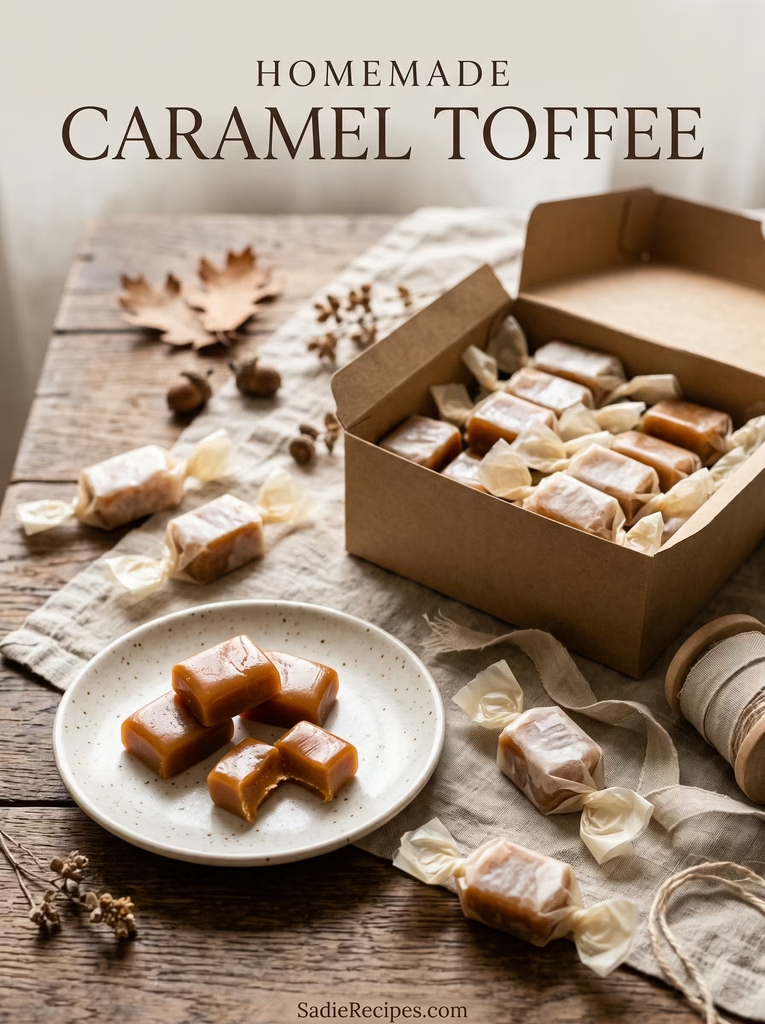
The difference between good homemade candy and excellent homemade candy often comes down to a few small details.
Use a heavy-bottomed saucepan. A thick base distributes heat more evenly and reduces the risk of scorching the sugar and milk.
Check your thermometer. An inaccurate thermometer can produce candy that is much softer or harder than expected. If possible, verify its accuracy before making a batch.
Watch the final temperature carefully. Even a small increase in temperature can change the texture. Remove the pan from the heat when the mixture reaches your chosen target.
Avoid excessive stirring. Stir gently and consistently. Vigorous stirring after the sugar has dissolved can encourage unwanted crystallization.
Measure ingredients accurately. Candy-making is sensitive to ingredient proportions. Use a kitchen scale whenever possible, especially for the sugars and syrup.
Choose quality butter. Butter contributes much of the finished candy’s flavor, so use a product you enjoy eating.
Allow enough cooling time. Cutting the candy too early can create messy edges and uneven pieces.
Consider your kitchen environment. Warm or humid conditions can make homemade candy softer and stickier. Choose a cool, dry place for cooling and storage.
Chewy Caramel Toffee : Common Mistakes to Avoid
Even a straightforward caramel recipe can be affected by a few common mistakes.
Cooking the Mixture Too Long
Overcooking is one of the main reasons caramel becomes too firm. If the temperature rises beyond the intended range, more moisture evaporates, and the finished candy becomes harder.
For a softer result, aim near the lower end of the recommended range.
Using Heat That Is Too High
High heat may cause the bottom of the mixture to scorch before the entire batch reaches the correct temperature.
Use steady heat and a heavy-bottomed saucepan. If the mixture starts browning too quickly or develops a burnt smell, remove it from the heat immediately.
Allowing Sugar Crystals to Form
Crystallization can make the candy grainy rather than smooth.
Dissolve the sugars fully at the beginning, avoid scraping dry sugar crystals from the sides into the mixture, and use the glucose syrup or corn syrup as directed.
Cutting the Candy Before It Sets
Warm caramel is soft and sticky. Cutting it too early can cause the pieces to lose their shape.
Wait until the slab has cooled and firmed sufficiently. If it remains excessively soft after cooling, the mixture may not have reached the correct temperature.
Storing Candy in a Humid Environment
Moisture can make the surface sticky and cause pieces to cling together.
Wrap the candies individually and store them in an airtight container away from heat, direct sunlight, and humidity.
Chewy Caramel Toffee : Delicious Ways to Customize Your Caramel Toffee
Once you master the basic recipe, there are several ways to create different flavors without changing the essential method.
Chocolate-Dipped Caramel Toffee
Let the candies cool and set completely. Dip each piece into melted chocolate, then place it on parchment paper until the coating firms.
Dark chocolate provides a pleasant contrast to the sweetness of the caramel, while milk chocolate creates a sweeter, creamier finish.
Sea Salt Caramel Toffee
Sprinkle a small amount of flaky sea salt over the caramel immediately after pouring it into the pan.
The salt balances the sweetness and adds a sophisticated finish. Use a light hand so the salt enhances rather than overwhelms the buttery flavor.
Nutty Caramel Toffee
Fold finely chopped toasted almonds, pecans, or peanuts into the mixture just before pouring it into the pan.
Make sure the nuts are dry and evenly distributed. They add crunch and create an appealing contrast with the soft caramel.
Coffee-Flavored Toffee
For a subtle coffee flavor, dissolve a small amount of instant espresso powder in a little warm milk before combining it with the other ingredients.
Coffee complements the caramel’s buttery notes and makes these candies especially enjoyable with an afternoon cup of coffee.
Vanilla Bean Caramel
For a more pronounced vanilla flavor, use vanilla bean paste instead of vanilla extract. Add it at the same stage as the vanilla in the original recipe.
These variations also make attractive additions to homemade candy boxes and holiday dessert platters.
How to Store Chewy Caramel Toffee
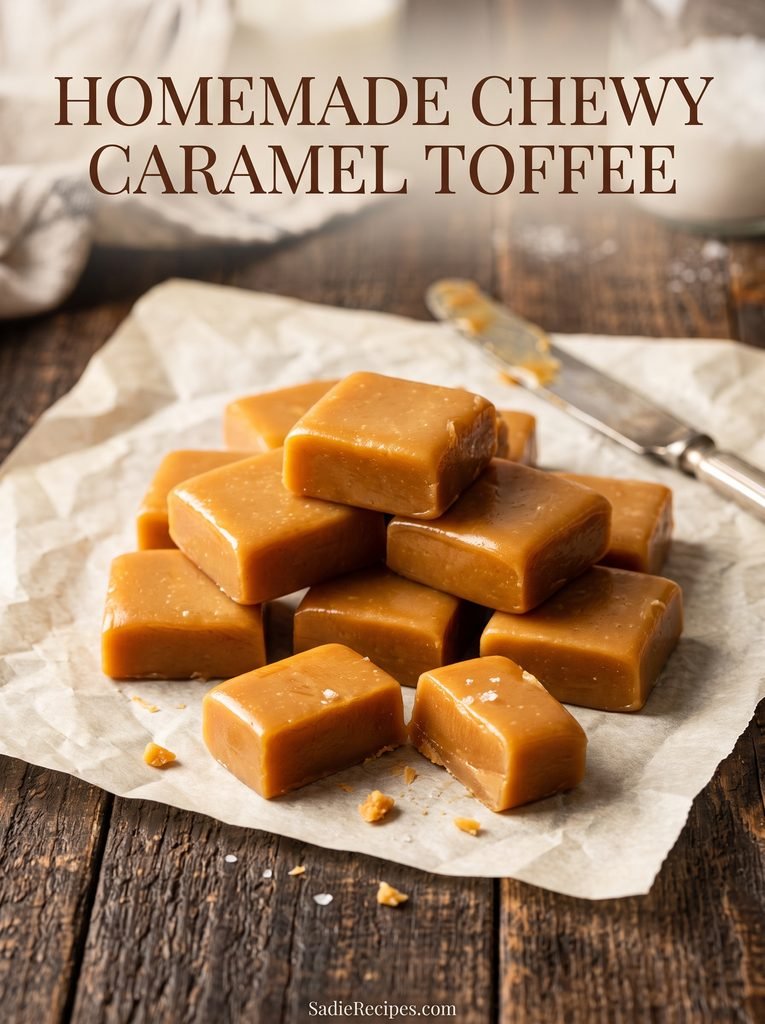
Proper storage helps preserve the candy’s texture and flavor.
Once the pieces have cooled completely, wrap them individually in wax paper or food-safe candy wrappers. Place the wrapped pieces in an airtight container and store them in a cool, dry place away from direct sunlight.
Avoid leaving the candies uncovered on a countertop. Exposure to air and humidity can make the surface sticky and affect the texture.
If your kitchen is particularly warm, refrigeration may be useful. Place the wrapped candies in an airtight container to protect them from moisture and odors. Before serving, allow them to return to room temperature while still wrapped to reduce condensation.
For the best quality, make smaller batches that can be enjoyed while the texture and flavor are at their best. Always inspect the candy before serving, particularly if it has been stored for an extended period.
Chewy Caramel Toffee FAQ
Why Is MyChewy Caramel Toffee Too Hard?
The most likely reason is that the mixture reached too high a temperature. More water evaporates as the caramel cooks, resulting in a firmer candy.
Next time, remove the saucepan from the heat closer to 120°C (248°F). Remember that the final texture also depends on the ingredients and how the candy cools.
Why Is My Chewy Caramel Toffee Too Soft?
The mixture may not have reached a sufficiently high temperature, or the ingredient proportions may have been inaccurate.
Use a candy thermometer and cook toward the upper end of the recommended range if you prefer firmer pieces. Allow the candy to cool completely before deciding whether it has set properly.
Can I Make Chewy Caramel Toffee Without a Candy Thermometer?
A candy thermometer is strongly recommended because the final temperature has a major effect on the texture.
Experienced candy makers sometimes use cold-water tests to assess the consistency, but these methods require care and practice. A thermometer is generally the more reliable option for beginners.
Can I Use Regular Milk Instead of Evaporated Milk?
Yes. The recipe allows either regular milk or evaporated milk. Evaporated milk is more concentrated, so it may produce a richer flavor and a somewhat different cooking result.
Whichever option you choose, monitor the temperature carefully and allow the candy to cool fully before cutting.
Can I Make This Chewy Caramel Toffee Ahead of Time?
Yes. These candies are convenient to prepare ahead for celebrations, gifts, and dessert tables.
Once completely cool, wrap the pieces individually and store them in an airtight container in a cool, dry place. This also makes portioning and serving easier.
Is Chewy Caramel Toffee the Same as Hard Toffee?
Not exactly. Traditional hard toffee is generally cooked to a much higher temperature, which removes more moisture and creates a brittle or crunchy texture.
This recipe is designed for a softer, chewier consistency, with the mixture cooked to approximately 120–125°C (248–257°F).
Chewy Caramel Toffee Final Thoughts
Homemade chewy caramel toffee is a simple but rewarding treat that combines buttery richness with a wonderfully satisfying texture. With granulated sugar, brown sugar, butter, milk, syrup, salt, and vanilla, you can create attractive little candies without complicated equipment.
The key is to control the heat, monitor the temperature, and allow the mixture to cool completely before cutting. Once you have mastered the basic technique, try chocolate coatings, toasted nuts, flaky sea salt, or coffee to create your own signature flavors.
Prepare a batch for your next celebration, wrap the pieces individually, and share them with friends and family. These homemade candies are proof that a few everyday ingredients can become something truly special.
Save this recipe for your next homemade candy project, and share it with someone who loves buttery caramel sweets!