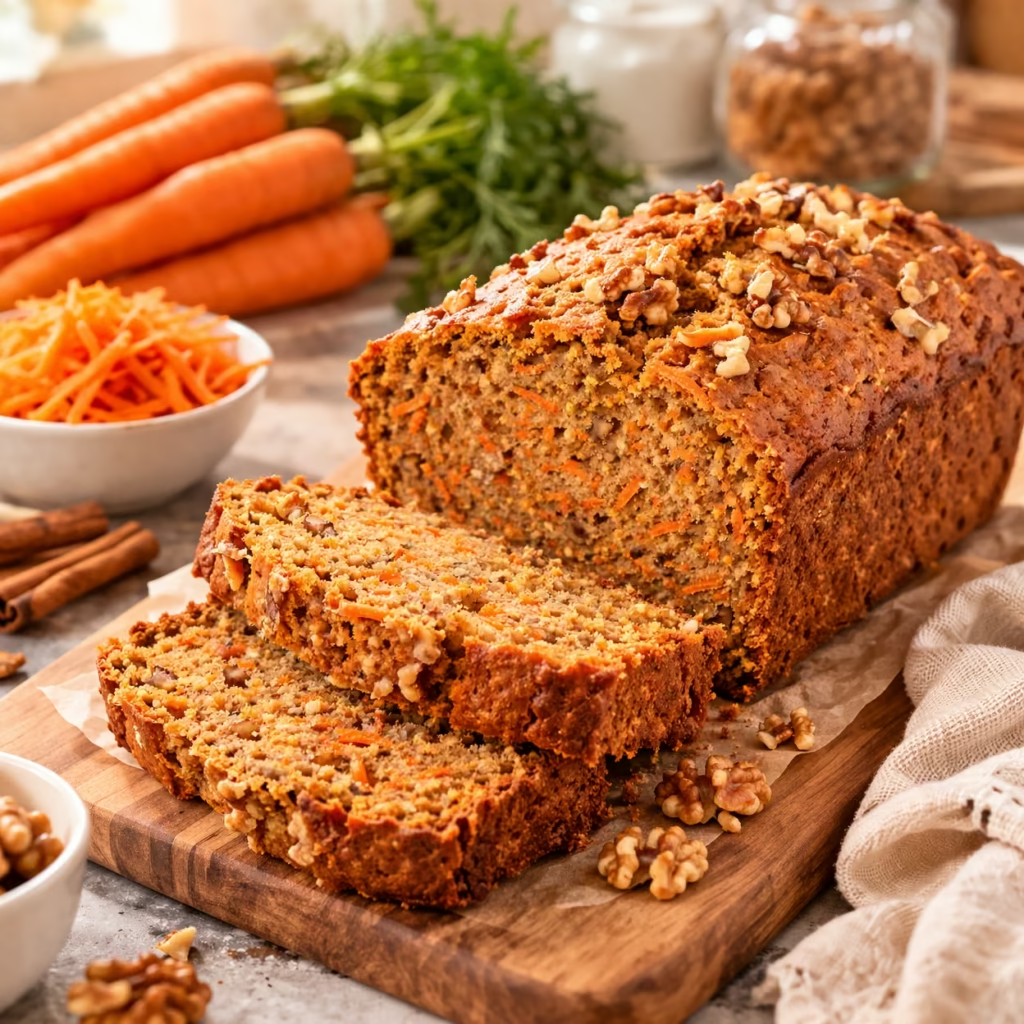
Carrot bread is a delightful baked treat that combines the natural sweetness of carrots with the comforting texture of homemade bread. Unlike traditional sweet breads, carrot bread offers a slightly healthier alternative without sacrificing taste. It’s soft, moist, and packed with flavor, making it a favorite for breakfast, snacks, or even dessert.
The origins of carrot bread can be traced back to early European baking traditions. Historically, carrots were used as a sweetener in cakes and bread during times when sugar was scarce. Over time, bakers discovered that carrots added moisture, natural sweetness, and nutritional value to baked goods. Today, carrot bread has become a popular choice in kitchens worldwide, cherished not only for its taste but also for its health benefits.
Eating carrot bread is more than just enjoying a delicious loaf—it’s also an opportunity to incorporate nutrient-rich vegetables into your diet in a tasty and convenient way.
Nutritional Benefits of Carrot Bread
Carrot bread isn’t just tasty; it’s packed with nutrients that can benefit your health. Carrots are rich in beta-carotene, which converts to vitamin A in the body, promoting healthy vision, skin, and immunity. A single serving of carrot bread can also provide dietary fiber, which supports digestion and keeps you feeling full longer.
Additionally, the natural antioxidants found in carrots help combat oxidative stress, which may reduce the risk of chronic diseases. Unlike sugary pastries, carrot bread can be made with moderate sweeteners, making it a more balanced treat for both children and adults. When paired with nuts or whole grains, the bread becomes a powerhouse of protein, healthy fats, and essential minerals.
Essential Ingredients for Carrot Bread
To bake perfect carrot bread, it’s crucial to select the right ingredients:
- Carrots: Fresh, firm, and brightly colored carrots work best. Grated carrots ensure even moisture distribution.
- Flours: All-purpose flour is standard, but almond flour, whole wheat flour, or gluten-free blends can add unique textures and flavors.
- Sweeteners: Traditional recipes use sugar, but honey, maple syrup, or coconut sugar are excellent alternatives for a healthier twist.
- Spices: Cinnamon, nutmeg, and vanilla enhance the natural sweetness of the carrots. Adding a pinch of salt balances the flavors.
- Binders: Eggs or flaxseed meal (for vegan options) help hold the bread together, while oils or butter keep it moist.
Selecting quality ingredients ensures a flavorful, moist loaf every time.
Carrot Bread : Tools and Equipment Needed
The right tools make carrot bread baking easier and more consistent:
- Mixing Bowls & Whisks: Large bowls for combining dry and wet ingredients.
- Baking Pans & Loaf Tins: Standard 9×5-inch loaf pans work best for even baking.
- Graters & Food Processors: Finely grate the carrots for smooth texture, or use a processor for speed.
- Oven Thermometer: Ensures accurate temperature for perfect baking.
Having these tools ready simplifies the process and reduces the risk of errors.
Carrot Bread : Ingredients Needed with Measurments
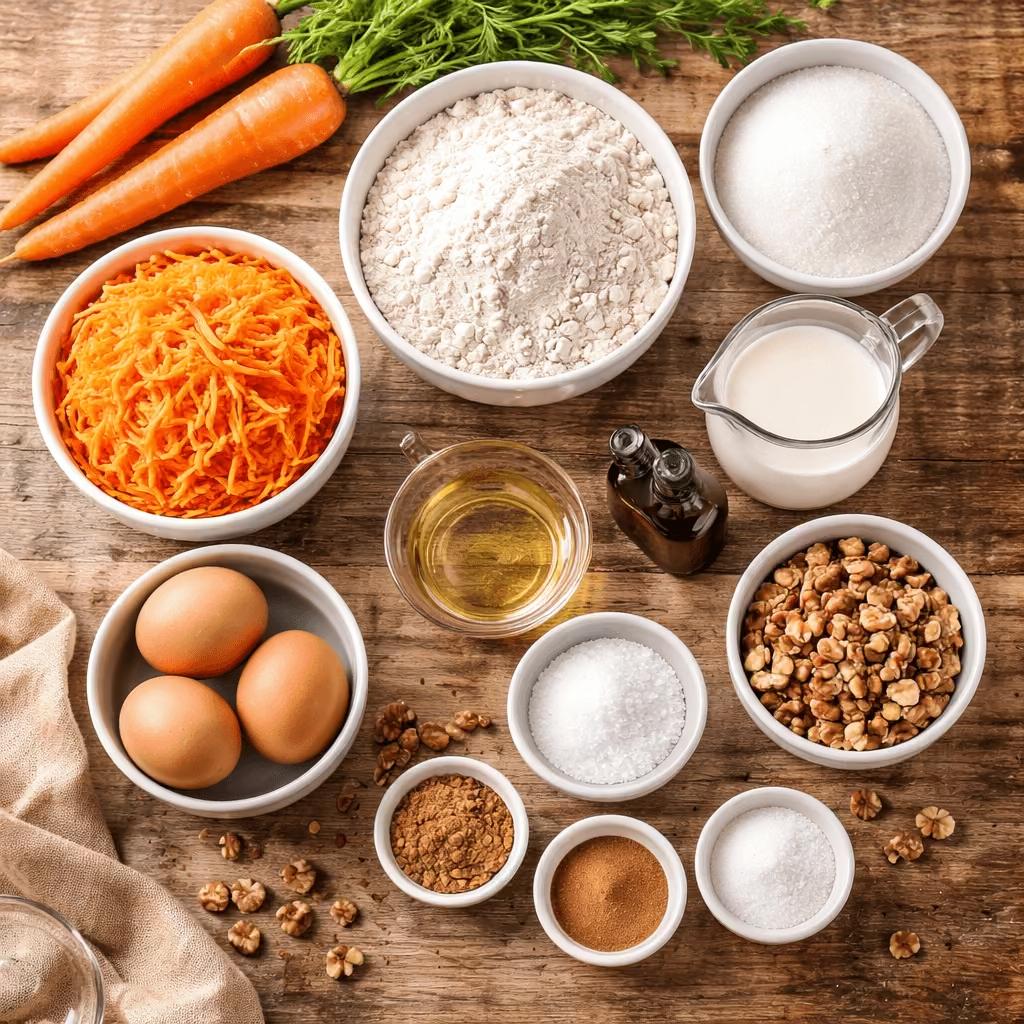
- 2 cups all-purpose flour
- 1 cup granulated sugar
- 1 ½ tsp baking soda
- 1 ½ tsp cinnamon
- 1 tsp salt
- ½ tsp pumpkin pie spice
- 2 ½ cups grated carrots (3–4 medium)
- 3 large eggs
- ¾ cup vegetable oil
- ¼ cup milk (2% or whole)
- 1 tsp vanilla extract
- ¾–1 cup chopped walnuts (optional)
- Optional: ½ cup raisins or pineapple chunks for extra flavor
How to Make Moist Carrot Bread
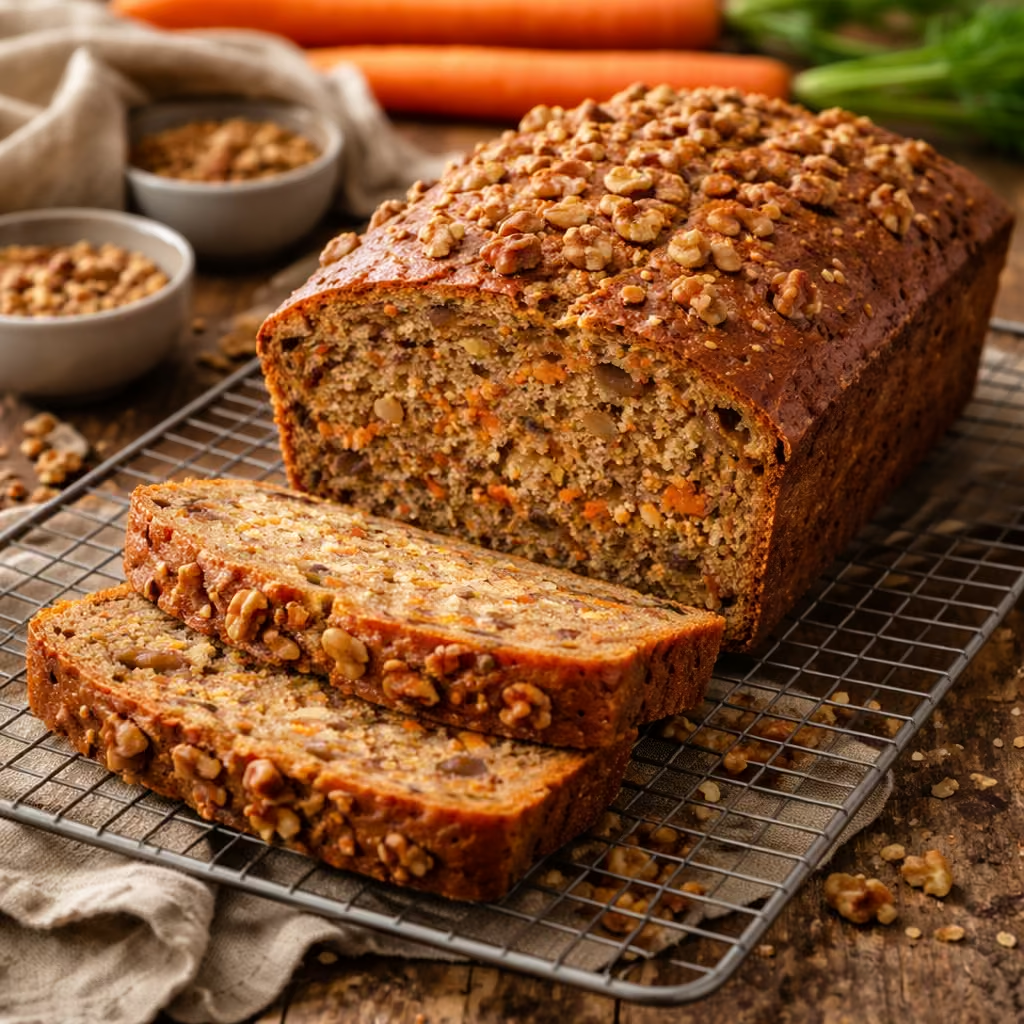
Cool and serve: Let the loaf cool in the pan for 10 minutes, then transfer to a wire rack to cool completely. Slice and enjoy warm or at room temperature.
Preheat and prepare: Set your oven to 350°F (175°C). Grease a 9×5-inch loaf pan and lightly dust it with flour to prevent sticking.
Combine dry ingredients: In a large bowl, mix together 2 cups of flour, 1 cup sugar, 1 ½ tsp baking soda, 1 ½ tsp cinnamon, 1 tsp salt, and ½ tsp pumpkin pie spice.
Whisk wet ingredients: In another bowl, beat 3 eggs, ¾ cup vegetable oil, ¼ cup milk, and 1 tsp vanilla until smooth. Stir in 2 ½ cups grated carrots.
Mix wet and dry ingredients: Slowly fold the dry mixture into the wet mixture until just combined. Be careful not to overmix to keep the bread tender.
Add extras: Fold in ¾–1 cup chopped walnuts, and if you like, ½ cup raisins or pineapple chunks for extra flavor.
Bake the bread: Pour the batter into the prepared loaf pan. Bake for 55–60 minutes, or until a toothpick inserted into the center comes out clean.
Common Variations of Carrot Bread
Carrot bread can be customized to suit your taste:
- Nutty Carrot Bread: Add walnuts or pecans for crunch.
- Gluten-Free Options: Use almond or oat flour for a gluten-free loaf.
- Vegan Alternatives: Replace eggs with flax eggs and butter with plant oils.
- Fruit Combos: Pineapple, raisins, or shredded apple pair wonderfully with carrot bread.
Each variation brings unique flavors and textures, keeping the recipe exciting.
Tips for Moist and Fluffy Carrot Bread
- Avoid Overmixing: Overmixing can make the bread dense. Fold ingredients gently.
- Use Oil Instead of Butter: Oil retains moisture better than butter.
- Check Oven Temperature: A slightly lower temperature and longer bake time can prevent drying.
These tips ensure every slice is soft and flavorful.
LEARN MORE :
- Easy One-Bowl Vegan Chocolate Chip Cookies – Quick Recipe
- Italian Lemon Ricotta Cookies: A Zesty Twist on a Classic Treat
- Ultimate Guide to One-Bowl Vegan Chocolate Chip Cookies
- Gluten-Free Lemon Shortbread Cookies: A Citrusy, Buttery Delight
- Lemon Shortbread Cookies
- Top 10 Easy Cookie Recipes : Cookies Anyone Can Bake
Carrot Bread for Special Diets
- Low-Sugar Versions: Substitute sugar with honey or stevia.
- Keto-Friendly Options: Almond flour and erythritol create a low-carb version.
- High-Protein Additions: Adding protein powder or Greek yogurt increases nutritional value.
Carrot bread is versatile enough to accommodate various dietary needs without compromising taste.
Serving Suggestions
Carrot bread is best served in multiple ways:
- Breakfast: Toast with cream cheese or nut butter.
- Snacks: Enjoy plain or with a drizzle of honey.
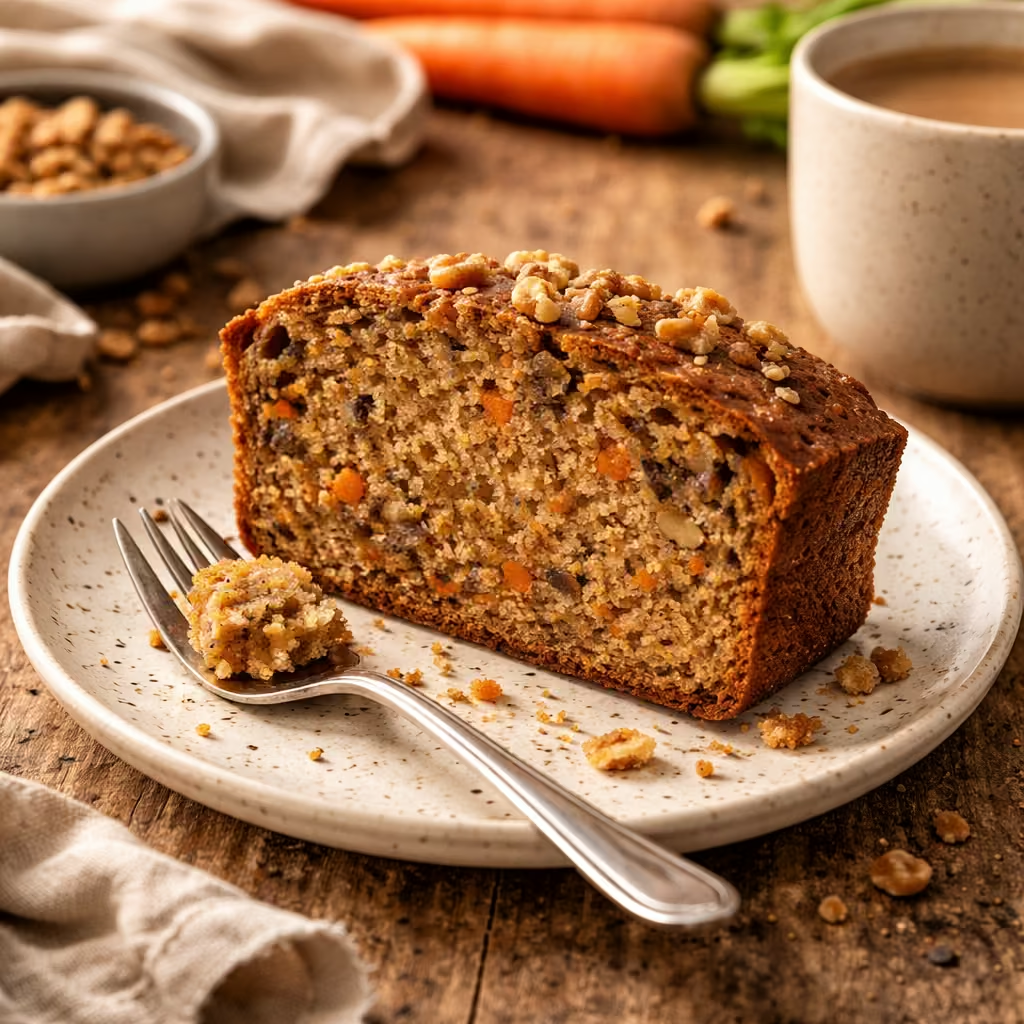
- Beverage Pairings: Pairs perfectly with coffee, tea, or milk.
Storing and Freezing Carrot Bread
- Short-Term Storage: Store in an airtight container at room temperature for 3–4 days.
- Freezing: Wrap slices in foil or freezer-safe bags for up to 3 months.
- Thawing & Reheating: Warm slices in the oven or toaster for a fresh taste.
Common Mistakes and How to Avoid Them
Overmixing: Leads to tough, dense bread.
Incorrect Baking Time: Underbaked bread is soggy; overbaked is dry.
Using Watery Carrots: Squeeze excess moisture to maintain the right batter consistency.
Health Benefits of Eating Carrot Bread Regularly
Regularly enjoying carrot bread provides:
- Heart Health: Carrots’ fiber and antioxidants support cardiovascular wellness.
- Improved Digestion: Dietary fiber promotes gut health.
- Immune Support: Beta-carotene boosts immunity and supports overall health.
Carrot Bread Around the World
- Europe: Traditional carrot cake-style bread is popular in the UK and Germany.
- North America: Often includes nuts, raisins, or cream cheese frosting.
- Asia: Some versions add coconut, sesame seeds, or matcha for unique flavor profiles.
Fun Facts About Carrots and Baking
- Carrots were originally grown as purple, red, and white varieties.
- During WWII, carrot-based sweets became popular due to sugar rationing.
- Modern bakers appreciate carrot bread for its natural sweetness and moisture.
FAQs About Carrot Bread
- Can I make carrot bread without sugar?
Yes! Natural sweeteners like honey or applesauce work well. - How long does carrot bread last?
Stored properly, it lasts 3–4 days at room temperature. - Can I use canned carrots?
Fresh is best, but drained canned carrots can be used in a pinch. - Is carrot bread healthy?
Yes, it’s rich in fiber, vitamins, and can be made with minimal added sugar. - Can I freeze carrot bread?
Absolutely—wrap slices or the whole loaf and freeze up to 3 months. - How do I make carrot bread fluffier?
Avoid overmixing, use the right flour, and ensure proper baking temperature.
Conclusion
Carrot bread is a versatile, nutritious, and delicious addition to any baking repertoire. With its natural sweetness, rich flavors, and health benefits, it appeals to both kids and adults. Whether you enjoy it plain, with nuts, or as a gluten-free treat, baking carrot bread at home is satisfying and rewarding. Try experimenting with variations, follow the tips for moist and fluffy results, and you’ll soon have a go-to recipe that’s both wholesome and irresistible.